|
|
||
Repair & ImproveGive Your Grill A Safety CheckHow to make sure your summer doesn't start off with a "bang."by Tom Kraeutler
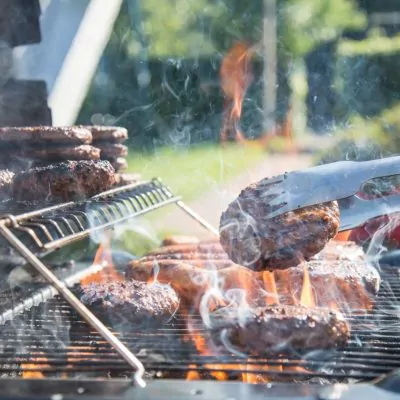
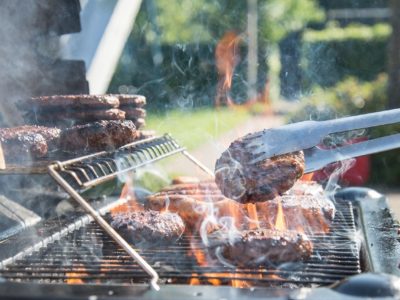
Memorial Day marks the unofficial start of the summer and a great time for sizzling steaks, burgers or even veggies on the grill. But just because your grill worked great last Labor Day, doesn’t mean it’s still safe to use this summer. In fact, quite the opposite is true. When not in use, grill parts can wear out, loosen up, or even get infested with bugs that can cause explosions on start-up.According to the Consumer Product Safety Commission, more than 500 fires occur each year because of gas grills. Many of these fires and explosions result when consumers first use a gas grill that has been idle for a long period of time or just after refilling and re-attaching the grill’s gas tank. To make sure your summer doesn’t start off with a “bang,” follow these steps before firing up your gas grill. REMOVE GRIDS - Soak the grids in hot, soapy water and clean them with a nylon-scrubbing pad. If they’re really encrusted, use oven cleaner in a well-ventilated area and rinse clean. REMOVE LAVA ROCK - If your grill uses lava rock, remove the old rocks and throw them away. Lava rock which is more than one season old will disintegrate and can clog your grill’s burners. They also can hold grease which can cause fires. Replacing the rock each year is wise. If your grill uses ceramic or pumice tiles, remove the pieces and clean them with a wire brush. INSPECT BURNER - A clean and properly functioning burner is essential to the safe operation of the grill. Remove the burner, brush it clean and check carefully for cracks, split seams or holes. If any are found, the burner should be immediately replaced. VACATE VENTURIS - Next, use a small wire bottle brush to brush out the “venturi” section of the burner. These are the small tubed sections which carry the gas to the burners. A special brush is also available to clear these tubes, or the entire burner can be flushed with a garden hose. Clearing the venturis is a crucial step in assuring the grill will be safe. Spiders commonly make nests inside the venturi tubes which can cause a gas backup and explosion on startup. CHECK HOSES - Rubber hoses, which connect the gas to the tank often, become cracked and can be unsafe to use. Replace any hose which shows the slightest sign of wear. TEST TANKS - If your propane tank is more than 20 years old, it’s time to replace it. Old tanks are dangerous, as are tanks that are rusted or dented. In general, new tanks are much safer. Today’s tanks include an “over-fill protection device” or OPD valve, which prevents excessively high pressures from forming inside an overfilled tank. Tanks also come with a built-in check valve to prevent leaks. TEST FOR LEAKS - After performing all of the steps listed above, put the grill back together and check all gas connections for leaks. To do this safely, mix a 50/50 solution of liquid dishwashing soap and water. Brush the solution on all gas connections and watch for bubbles. If any are seen, the connection is leaking and should be fixed before firing the grill. Now you’re ready to fire up your grill for a safe summer of backyard barbecue fun! Search Related Topics: Appliances, Safety... |
||
|
© 1999-2008 Squeaky Door Productions, Inc. - All rights reserved. | Privacy Policy Designed by: DVI | Developed by: Kurvits Media |
||