

For home sellers, the home inspection can be like a scene from a reality television show. Strangers arrive at your front door and dive into every nook and cranny of your personal space. For hours on end they open closets, crawl through your belongings, turn on every faucet in the house. They flush toilets, open electrical panels, fire up your oven and run your washer, dryer or any other appliance they can find. Then, they climb your roof, wander through your basement or crawlspace, and seemingly trounce over every square inch of your yard.
From downspouts to dishwashers to smoke detectors, the home inspection process is by its very nature – intrusive. Your challenge, as the contestant in this show, is to remain pleasant, cheerful and completely accommodating while these personal invaders tear through your home. But – if you survive the harrowing ordeal without blowing a fuse, the payoff can be big: a windfall of hundreds of thousands of dollars from the sale of your home!
The following home inspection tips can help make sure that is exactly what happens!
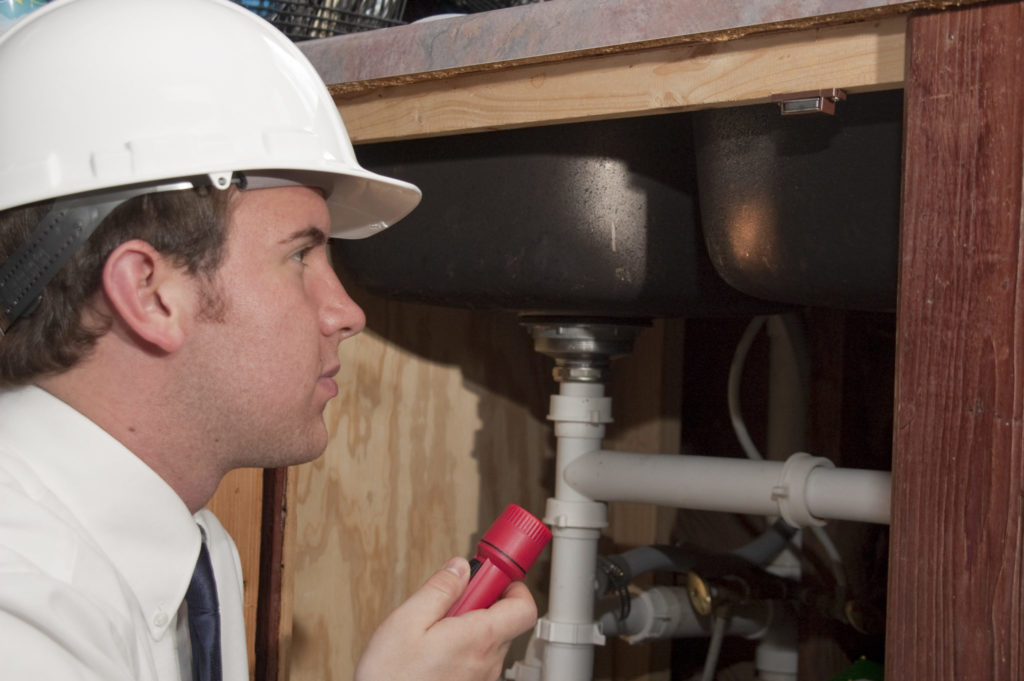
According to a joint study by the American Society of Home Inspectors (ASHI) and the National Association of Realtors (NAR), nearly four out of every five homes sold in the nation are evaluated by a professional home inspector before they are sold.
Hired by the home buyer, home inspections are designed to protect the buyers from investing in a home that turns out to be a real life money pit. NAR reports that Realtors recommend real estate buyers get a home inspection nearly 99% of the time. Most buyers heed that advice, requesting home inspections in 84% of all transactions, even for new homes.
For sellers, understanding the home inspection process and preparing your home for the inevitable evaluation not only helps to ensure that the transaction goes through, but can often translate into getting a top-dollar selling price as well.
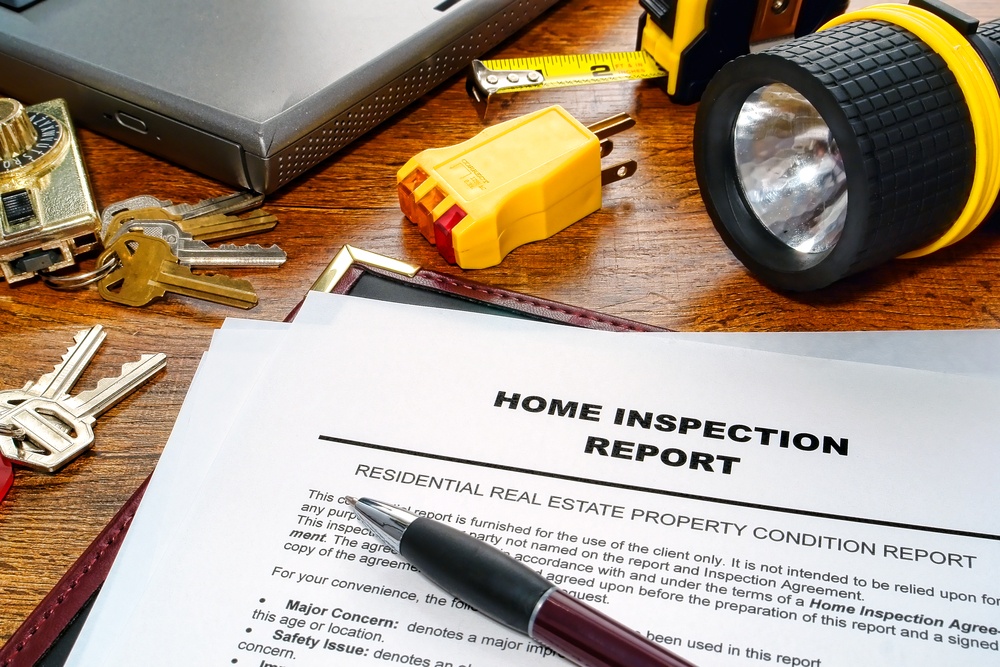
How the home inspection works
Nearly all purchase contracts for homes sold today include a home inspection contingency clause, a provision to allow the buyers to hire a professional home inspector of their choosing to thoroughly evaluate the home for any major problems.
Once the contract has been signed, inspections usually happen quickly. After an appointment is made with the home seller, the home inspector arrives with the home buyer in tow, and goes through the entire house. Typically, a home inspection will take two to three hours and include a check of the home’s structural and mechanical condition. But besides the structural and mechanical inspection, home inspectors may also do tests for radon gas, check for termites and other wood destroying insects, or perform other services requested by the prospective buyer.
Since 1976, home inspections have been standardized by the nation’s leading home inspector association, the American Society of Home Inspectors . Also known as ASHI, the Society’s “Standards of Practice” dictate what must be inspected and how far home inspectors need to go to report those findings.
According to ASHI, a basic home inspection includes an evaluation of 10 different areas of the home: structure, exterior, roofing system, plumbing system including the water heater, electrical system, heating system, air conditioning system (HVAC system), interior, insulation and ventilation, and fireplaces.
Within these areas, ASHI’s Standards of Practice details what inspectors must look at, as well as what may be excluded, from the inspection.
For example, when inspecting the roofing system, inspectors must evaluate the roof shingles, gutters, flashing, skylights, chimneys and other penetrations like plumbing vents. However, an inspector is not required to inspect a roof antenna, or to look inside chimneys that may not be readily accessible.
When the home inspection is complete, the inspector will issue a report to the home buyer detailing what was found. Inspectors will report on problems needing immediate attention, as well as conditions that can lead to more serious defects down the road.
Keep in mind that only ASHI members are required to follow these strict guidelines. However, some states also require licensing to become a home inspector, which carries with it its own set of requirements of what to inspect. Even so, many states have adopted ASHI’s standards and its Code of Ethics as the benchmarks of professional performance. At present, at least half of all states require some sort of regulation, ranging from a simple registration to a comprehensive program requiring testing and experience, and mandate stiff penalties for inspectors that make serious mistakes.
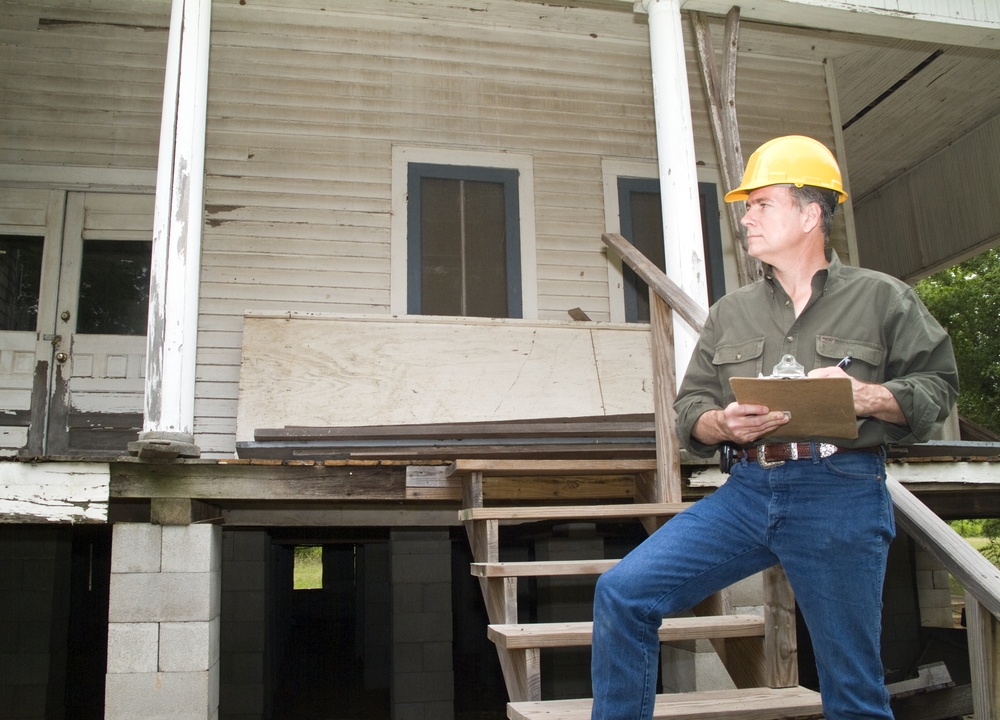
After the home inspection
Once the home inspection is complete, the inspector will be reporting results only to their client, the buyer (a circumstance bound by law in many states). The discovery of major material issues of the kind of stuff that’s a big enough deal to be a sale roadblock may bring you back to the negotiation table, and should be the only impact on completion of the sale.
A kitchen faucet dripping is hardly a material defect, but if you have major issues like a foundation problem, major water damage or the house needs a new roof, that’s material because somebody could decide not to buy a house if they knew it needed a large repair like that.
What happens next in the home selling process is usually detailed in the home inspection contingency clause. Typically, there will be additional negotiation between buyer and seller if problems are found. In most cases, the difference between what a buyer expected going into the transaction and what was actually uncovered by the inspection, defines the scope of what they might ask the seller to fix.
For example, the home buyers may have known the roof is old, so a report detailing a roof in need of replacement might not raise eyebrows. However, if they expected to get through their first winter without buying a brand new furnace, which turns out to be needed, home sellers can expect a request to toss one into the transaction.
In a best-case scenario, resolving these disputes is best done by sharing the expense. After all, the seller didn’t promise a home with a brand new furnace and the buyer wasn’t expecting to go 20 years without replacing the existing one. Splitting the cost in a case like this is a fair and reasonable way to resolve the issue.

Dress your home for success
Most home sellers don’t think of themselves as fierce competitors in a market of high-priced products. But make no mistake, if your home is on the market, you are. Homes are a high-priced commodity and in any given city, there are hundreds from which buyers can choose. The best way to make certain your home attracts buyers and the highest possible sales price is to make sure it’s “dressed for success,” both inside and out.
A fresh coat of paint and some new landscaping may seem like obvious first steps in prepping your home for sale, but when it comes to the home inspection, there’s much more to do.
Start outside repairing minor things like loose steps, disconnected gutters and rotted trim. Look, with a critical eye, for anything that’s been neglected and needs repair, like a rotted windowsill or missing roof shingle. A pair of binoculars is a good tool to use for the roof review. Besides missing shingles, look for loose metal flashing around chimneys and plumbing vents, a common cause of leaks.
Inside the home, give your mechanical systems an honest assessment. If your heating and cooling system hasn’t been recently inspected and serviced, do it now. If you are aware of any minor plumbing or electrical box repairs that need to be done, get them done way before the home inspection takes place.
Leaky toilet fill valves, drippy faucets, dirty furnace filters, burned out pilot light or light bulbs – or electrical outlets that don’t work might seem minor. But fixing them now not only means you’ll have less to worry when the inspection is done, it also shows both the inspector and the buyers that you’ve taken good care of your home.
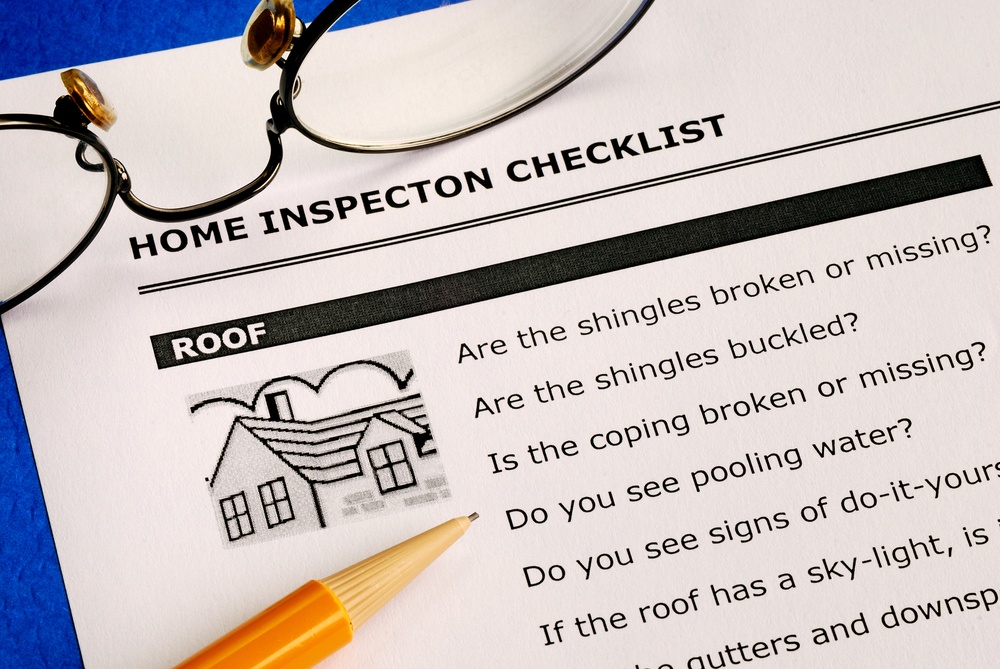
What’s good for the goose is good for the gander
If you can afford it, one of the smartest things you can do to get your home ready for sale is to hire your own home inspector to go through it before it goes on the market. Doing this will provide several distinct advantages.
First, it is likely to avoid “surprises,” like when the buyer’s inspector proclaims your electrical panel needs to be replaced. By the time the contract price is agreed to, most sellers have negotiated down as far as they want to go and the buyers have also offered up the most they want to spend, so finding a costly problem at this late stage can send the transaction into a tizzy.
Secondly, if problems are discovered, you have the time and the ability to either repair these on your own schedule or to disclose them upfront to the buyer, eliminating the possibility that the buyer will demand you make repairs later. Plus, if repairing the problem is your choice, you can do so without the buyer looking over your shoulder, second-guessing every decision you make.
Finally, once the buyer hires his own home inspector, you’ll have a good baseline by which to compare the new report. While inspection reports will rarely match item for item, major differences are rare amongst qualified and experienced inspectors. Your home inspector can even become your advocate by looking over and dissecting the buyer’s inspector’s report.
To find a qualified inspector in your area, use the “Find an Inspector” locator on the ASHI web site. Inspectors listed here have met rigorous testing and experience requirements and are among the most qualified in the nation. By submitting an inquiry to an inspector through the site, your information is transmitted electronically in real-time, saving you time and helping you connect with an inspector more quickly.

Rules of the road
While the home inspection can be both intimidating and invasive, remember that the inspector works for the person who hired him or her. Inspectors will only discuss their findings with their own customer. Therefore, the seller will most likely be the last one to hear about trouble in the transaction when the buyer has arranged for the inspection. While it may seem unfair, that’s the way it is. In fact, in some states that license home inspectors, they are prevented by law from disclosing the results of the inspection to anyone but their client.
Besides getting your home in tip-top shape for the inspection, the best thing you can do during the process is to disappear. Home buyers will be more comfortable discussing their home buying concerns openly with the inspector if you are not within earshot. And since watching the inspection process can feel akin to being awake during open heart surgery, being away will also keep your stress levels in check. Plus, you hired a real estate agent to represent you — so let them do just that!
With home inspections, the best tip to gain the most desirable results would be to have your house ready for the home inspector–then get out of the way.
How to find the best home inspector
No matter which side of the transaction you’re on, the help of a qualified home inspector can make all the difference in your comfort level during what can be an intimidating and sometimes invasive experience.
To locate a pro in your area, use ASHI’s “Find A Home Inspector” locator at www.ashi.org. All inspectors listed here have met rigorous testing and experience requirements, and are among the most qualified in the nation.


Leave a Reply